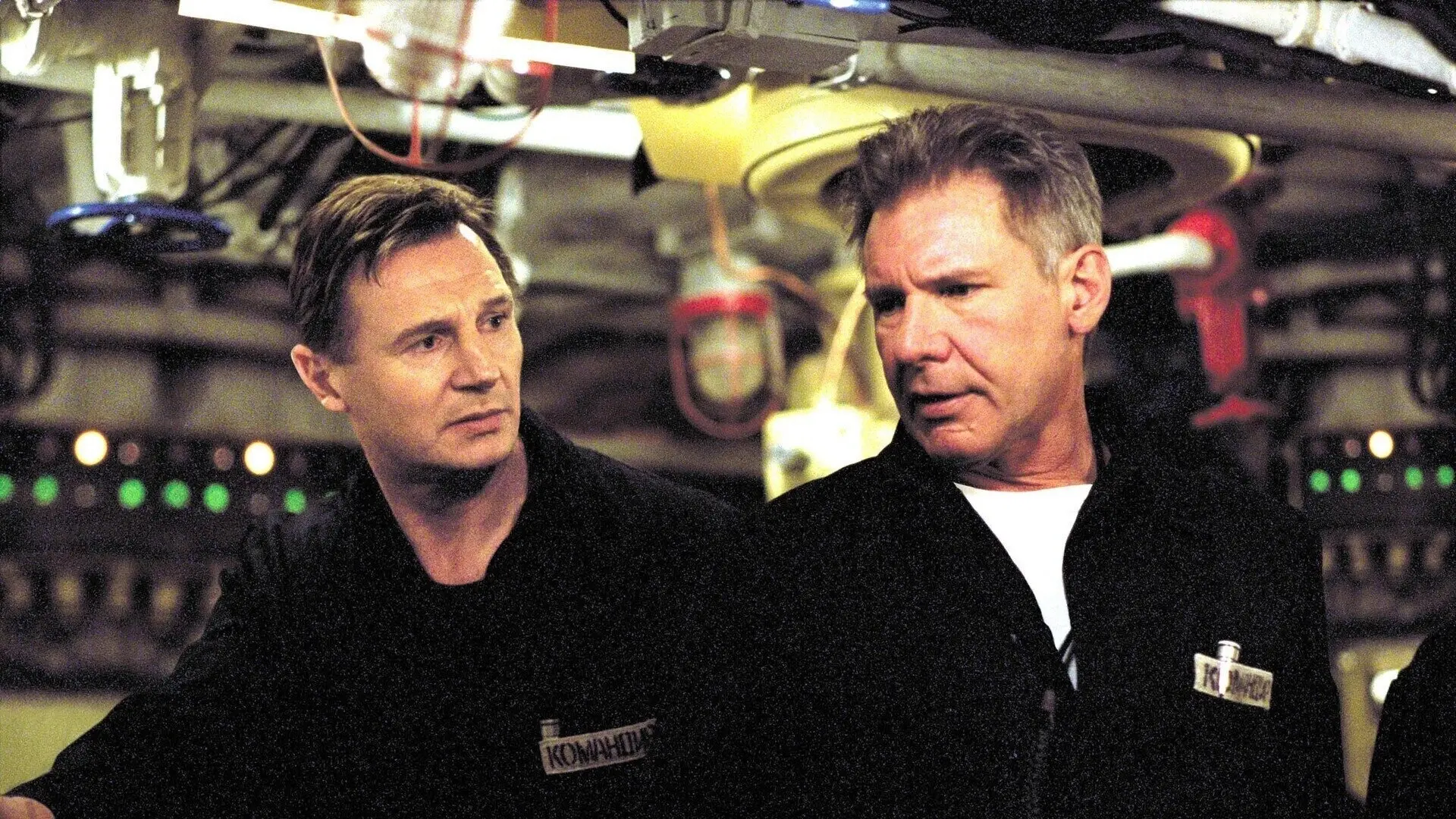
What setting in cinema is as conducive to creativity as a submarine? These underwater vessels, which were originally designed for scientific exploration before being militarised by the armed forces of the major powers, are genuine dramatic knots. Firstly, the submarine is characterised by its confinement, both as a cinematic space and a living space, which imposes a claustrophobic closeness on its crew (and almost exclusively men, except in rare cases, such as The Damned).
The genre's aesthetic serves to highlight this forced coexistence, which fosters a sense of camaraderie amongst the crew (Das Boot), as the slightest disruption could cost lives. Multiple dangers are lurking off-screen, outside the submarine. The vast, unbreathable oceans would be threatening enough without the torpedoes and other weapons of war that are the very essence of naval combat… Not to mention the latest developments in submarine technology, which have turned them into veritable nuclear bombs (K-19: The Widowmaker).
Faced with the multiple crises that punctuate the daily lives of the protagonists of underwater cinema, the best weapon is often the least violent of all, and yet the most difficult to employ beneath the surface: communication, that is to say, the very foundation of what makes us human. For the unknown and the darkness of the ocean depths are also the realm of misunderstandings, misinterpretations and doubts. John McTiernan's handling of dialogue in The Hunt for Red October, as well as the portrayal of the mutual respect that develops between the American and German adversaries in The Enemy Below, thus bring the submarine film genre back to its true essence: a spectacular exploration of human nature.
Renaud Besse-Bourdier
Programmer